The Impact of Temperature on Gear Oil Performance
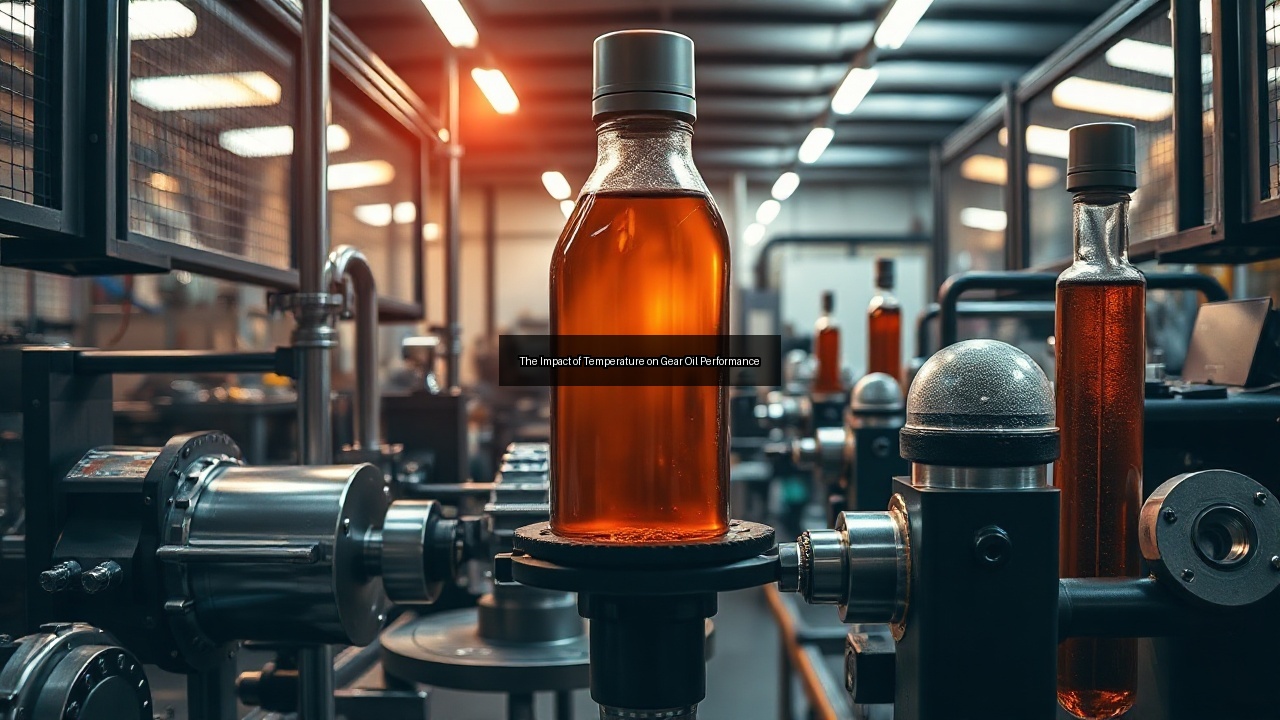
Understanding Gear Oil and Its Function
Role of Gear Oil in Lubrication
Gear oil protects gears under heavy loads by forming a durable film that reduces friction and prevents metal-to-metal contact in transmissions and differentials. This lubricant maintains smooth operation even when pressure spikes occur during acceleration or towing. In automotive applications, proper lubrication extends component life by minimizing wear on teeth and bearings. Manufacturers formulate gear oil to handle both sliding and rolling motions common in gear sets. Regular use of quality gear lubricant keeps temperatures stable and prevents oxidation that leads to sludge. Without effective gear lube, transmissions suffer accelerated damage from contaminants and heat buildup. Drivers notice quieter operation and better efficiency when they select the right viscosity grade for their vehicle. Gear oil also acts as a coolant, carrying heat away from contact points to preserve metal integrity over thousands of miles.
Types of Gear Lubes and Their Applications
Conventional gear lubes suit older vehicles with moderate duty cycles while synthetic options deliver superior stability in extreme conditions. API GL-4 and GL-5 ratings guide selection for specific gear designs and load requirements. Manual transmissions often require lighter gear oil to ensure quick shifts without drag, whereas differentials demand heavier formulations for sustained high torque. Transaxle units combine transmission and axle functions, calling for gear lubricants balanced between lubrication and cooling. Gear lube with EP additives handles hypoid gears found in many rear differentials. Manufacturing processes influence additive packages that resist foaming under pressure. Synthetic gear oil excels in racing or heavy-haul scenarios where temperatures climb rapidly. Always match the product to the application to avoid seal swelling or inadequate film strength that shortens service intervals.
Temperature Effects on Gear Oil Performance
How Temperature Influences Viscosity
Viscosity changes directly with temperature, affecting how well gear oil flows into critical contact zones. At higher readings the lubricant thins, reducing film thickness and allowing increased wear on gear surfaces. Lower temperatures thicken the oil, slowing circulation and creating drag that reduces efficiency in cold starts. SAE grades specify viscosity ranges at defined temperatures so operators choose products that maintain protection across seasons. Gear lubricants must balance flow at low temperatures with adequate body when hot to prevent scoring. Pressure and speed further modify effective viscosity inside the gear case. Automotive engineers test formulations to ensure consistent performance from subzero conditions to highway speeds. Proper selection prevents both starvation and churning losses that waste energy.
Impact of High Temperatures on Gear Lubricants
Elevated temperatures accelerate oxidation in gear oil, breaking down base stocks and additives that protect against wear. Gear lubricants lose viscosity and form varnish deposits that restrict oil passages in differentials and transmissions. High heat also promotes sludge that traps abrasive particles against gear teeth. Synthetic gear oil resists these effects longer than conventional types because of superior thermal stability. In manufacturing environments or towing applications, continuous high temperatures demand frequent monitoring to avoid pitting and scoring. Gear lube exposed to sustained heat above recommended limits shortens component life dramatically. Pressure spikes compound the damage by forcing thinned oil past seals. Operators extend service life by selecting lubricants rated for the expected temperature range and by ensuring adequate cooling airflow around the housing.
Low Temperature Challenges for Gear Oil
Cold weather increases gear oil viscosity, delaying flow to bearings and gear meshes during initial operation. This lag allows brief metal contact that generates wear particles before full lubrication occurs. Gear lubes formulated with pour-point depressants maintain fluidity at low temperatures without sacrificing high-temperature protection. Transmissions and transaxles in northern climates benefit from synthetic formulations that reach operating viscosity faster. Low temperatures also reduce additive solubility, potentially causing precipitation if the wrong product is used. Automotive fleets operating in winter conditions track startup temperatures to schedule warm-up procedures. Gear lubricant that remains too thick stresses seals and increases fuel consumption until the system reaches normal heat. Matching SAE winter grades prevents these issues and supports reliable shifting from the first turn of the key.
Thermal Degradation and Its Consequences
Signs of Thermal Degradation in Gear Oil
Darkened color and burnt odor indicate thermal degradation in gear oil after prolonged heat exposure. Viscosity measurements often reveal thinning or thickening that signals additive depletion. Sludge and varnish deposits inside the housing point to oxidation products that impair lubrication. Gear wear particles increase in oil samples when film strength drops due to breakdown. Differentials and manual transmissions exhibit whining or clunking noises once degraded gear lubricant fails to cushion loads. Pressure relief valves may weep oil as seals harden from heat. Regular analysis detects these changes before catastrophic failure occurs. Synthetic gear oil typically shows slower degradation rates, giving longer intervals between changes in demanding service.
Preventing Thermal Degradation in Automotive Applications
Correct fluid level and proper cooling maintain gear oil temperatures within safe limits during operation. Upgrading to synthetic gear lubricant improves resistance to oxidation in high-load differentials and transaxles. Manufacturers recommend shorter change intervals when vehicles tow heavy loads or operate in hot climates. Gear lube with robust antioxidant packages delays thermal degradation in transmissions subjected to stop-and-go traffic. Drivers avoid overfilling because excess oil increases churning heat. Routine inspections of breathers and seals prevent contamination that accelerates breakdown. API-licensed products undergo testing that verifies performance under elevated temperatures. Consistent maintenance practices keep gear lubricants effective and protect expensive components from premature wear.
Choosing the Right Gear Oil for Different Conditions
SAE Ratings and Their Importance
SAE viscosity grades define gear oil performance across temperature ranges, guiding selection for seasonal and duty variations. Multi-grade gear lubricants carry designations such as 75W-90 that ensure flow when cold yet maintain film strength when hot. SAE ratings help match products to manual transmissions, differentials, and transaxles that experience different shear and pressure conditions. Automotive specifications often reference these grades alongside API service categories. Incorrect viscosity leads to either excessive drag or inadequate protection. Gear lube labeled with the proper SAE number delivers consistent lubrication from winter starts through summer highway runs. Operators consult manufacturer charts to confirm compatibility before filling any gear case.
Synthetic vs. Conventional Gear Lubricants
Synthetic gear oil provides better thermal and oxidative stability than conventional petroleum-based lubricants. This advantage translates to longer drain intervals and reduced wear in high-temperature differentials. Conventional gear lube remains cost-effective for light-duty manual transmissions with moderate operating temperatures. Synthetic formulations resist viscosity loss under shear and maintain protection during extended towing. Manufacturing processes for synthetic base stocks allow tailored additive response that improves cold-flow properties. Gear lubricants labeled synthetic often carry higher price tags justified by extended service life and fuel economy gains. Many modern vehicles specify synthetic gear oil from the factory to meet warranty requirements. The choice depends on expected temperature extremes and load severity.
Gear Oil for Manual Transmissions vs. Transaxles
Manual transmissions typically require gear oil with moderate EP protection and good synchronizer compatibility. Transaxles integrate transmission and differential functions, demanding gear lubricant that handles both gear mesh and final drive loads. Viscosity selection differs because transaxle designs often run hotter due to shared housing. Gear lube for transaxles must resist foaming under combined pressure from both sections. Automotive manuals specify distinct products for each application to avoid shift quality issues or accelerated wear. Synthetic gear oil frequently serves both units effectively when the manufacturer approves a single fill. Proper matching prevents seal damage and ensures reliable lubrication across operating temperatures.
Best Practices for Gear Oil Maintenance

Monitoring Gear Oil Condition
Regular sampling reveals metal particles, oxidation, and viscosity shifts in gear oil before damage spreads. Visual checks for color and odor provide quick indicators of thermal degradation in differentials and transmissions. Pressure testing helps detect leaks that lower fluid levels and invite contamination. Gear lubricant analysis tracks additive depletion and water ingress that compromise protection. Automotive service intervals often include gear oil inspection alongside engine oil changes. Operators log operating temperatures to correlate condition data with duty cycles. Early detection allows corrective action that preserves gear sets and avoids costly repairs.
When to Change Gear Lubricants
Change gear oil according to manufacturer schedules or sooner under severe conditions such as towing or off-road use. Thermal degradation accelerates in high-temperature environments, shortening the effective life of gear lubricants. Contamination from water or debris signals immediate replacement to restore proper lubrication. Synthetic gear oil often supports extended drains, yet monitoring remains essential. Differentials and manual transmissions accumulate wear metals that abrasive particles embed in gear teeth if fluid stays too long. Seasonal temperature swings may warrant changes to maintain optimal viscosity. Consistent records help predict optimal intervals and prevent unexpected failures.
Tips for Optimal Gear Lubrication in Differentials
Maintain correct fill levels in differentials to ensure full immersion of gears without excessive churning. Use gear lube meeting the specified API rating and SAE viscosity for the application. Synthetic formulations improve protection in limited-slip units exposed to high torque. Breather maintenance prevents pressure buildup that forces oil past seals. Gear lubricant changes should coincide with inspection of bearings and ring-and-pinion wear patterns. Automotive owners avoid mixing different types of gear oil that can reduce additive effectiveness. Proper torque on fill plugs eliminates leaks that starve components of lubrication. These steps keep differentials operating quietly and efficiently across temperature ranges.