Harnessing the Power of Color in Packaging and Label Design
The Psychological Impact of Color in Packaging Design
Understanding Color Psychology
Color psychology plays a crucial role in how consumers perceive products. Colors evoke emotions and can label and packages influence purchasing decisions. For instance, red often signifies excitement and urgency, making it a popular choice for clearance sales. In contrast, blue conveys trust and reliability, frequently used by brands in the healthcare and technology sectors. Understanding these color associations allows companies to strategically use color in product packaging and labeling to create desired emotional responses. Effective packaging design harnesses the power of color to create an immediate connection with consumers, making it essential for brands to select colors that not only represent their identity but also resonate with their target audience.
Color Choices in Different Industries: Beverage, Beauty, and Food
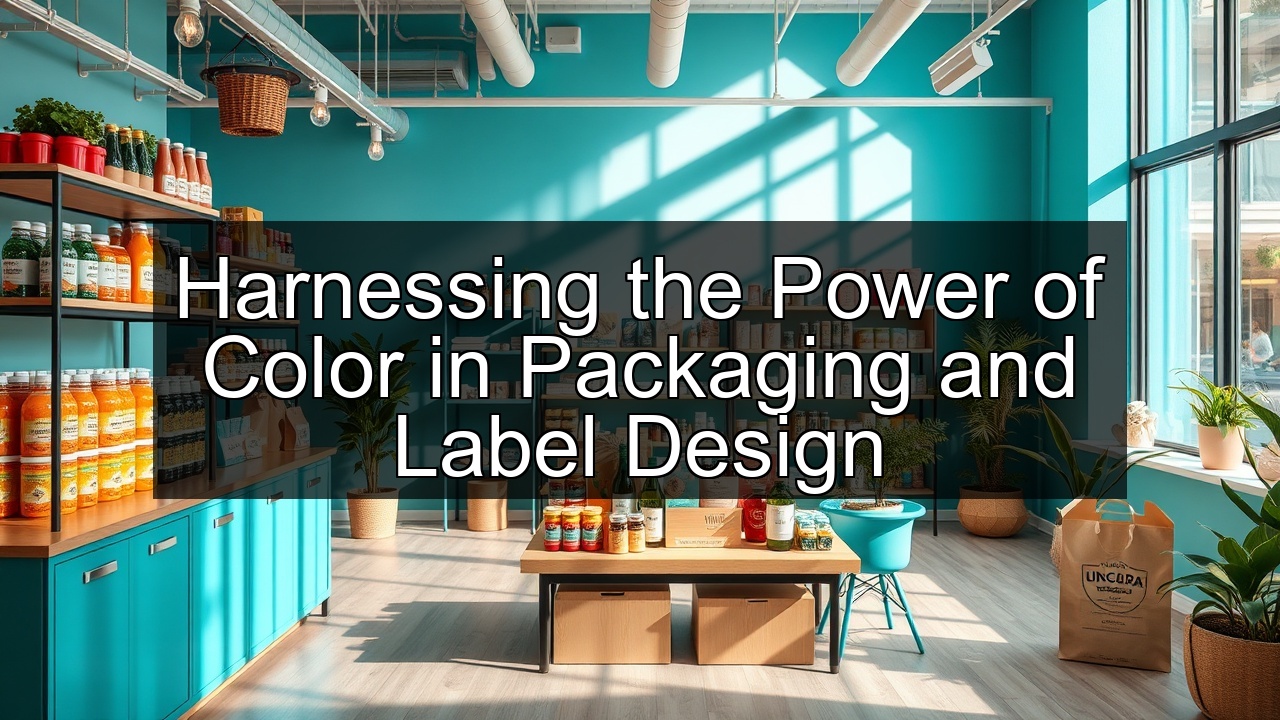
Different industries utilize color in distinct ways to appeal to their specific consumer bases. In the beverage industry, vibrant colors like green and orange suggest freshness and vitality, often seen in energy drinks and juices. Beauty brands typically favor softer, more muted tones, such as pastels, which evoke feelings of calm and sophistication. In the food sector, colors like yellow and red stimulate appetite and excitement, making them staples in fast-food branding. By understanding the nuances of color psychology, companies can tailor their packaging and labeling to enhance brand recognition and consumer engagement, ensuring their products stand out on crowded shelves.
The Role of Color in Consumer Decision-Making
Color significantly impacts consumer decision-making. Studies show that up to 90% of snap judgments about products can be based on color alone. A well-chosen color palette can communicate brand values and set expectations for the product. For instance, organic brands often utilize earthy tones like green and brown to emphasize their commitment to natural ingredients. Conversely, luxury brands may employ black and gold to convey exclusivity. By incorporating effective color schemes into packaging and labeling, companies can facilitate quicker, more informed purchasing decisions, ultimately driving sales and fostering brand loyalty.
Innovative Packaging Solutions for Branding
Flexible Packaging: Trends and Benefits
Flexible packaging has transformed the landscape of product packaging, offering numerous benefits that traditional materials cannot match. This innovative solution combines the best of both worlds: durability and lightweight design. Brands in the food and beverage sectors are increasingly adopting flexible packaging due to its ability to preserve freshness while reducing material waste. The convenience of resealable pouches, for example, enhances user experience. Additionally, flexible packaging allows for vibrant graphic designs that can easily catch consumers' eyes. As companies continue to innovate, flexible packaging remains a go-to solution for effective branding, merging functionality with aesthetic appeal.
The Importance of Graphics in Product Labels
Graphics play a pivotal role in product labels and are instrumental in attracting consumer attention. High-quality visuals can convey essential information at a glance while also enhancing brand identity. For instance, a well-designed label can communicate the product's unique selling points, such as being organic or gluten-free, instantly appealing to health-conscious consumers. Clear graphics also help differentiate products within a crowded market, allowing brands to establish a memorable presence. Companies investing in top-notch graphic design for their labeling and packaging solutions ensure that their products not only meet regulatory standards but also stand out visually, creating a lasting impression.
Using Laminate and Other Materials to Enhance Appeal
The choice of materials in packaging design significantly impacts product appeal. Laminate, for instance, can enhance the visual quality of labels, providing a glossy finish that captures light and draws attention. It also offers practical benefits, such as moisture resistance and increased durability, which are particularly valuable in the beverage and food sectors. Other innovative materials, like biodegradable films and recyclable options, align with the growing consumer preference for sustainability. By utilizing advanced materials in packaging and labeling, companies can create a more attractive product while also appealing to environmentally conscious consumers. This dual focus on aesthetics and sustainability strengthens brand loyalty.
Integrating Labeling with Packaging for Optimal Marketing
The Synergy Between Labels and Packaging
The integration of labeling and packaging provides a seamless marketing strategy that enhances consumer engagement. Effective product packaging serves as the first point of interaction, while labels provide essential information. This synergy allows brands to create a cohesive narrative that resonates with consumers. For example, a brand may use vibrant packaging colors that align with its logo and label design, reinforcing brand identity. Additionally, well-integrated labeling can highlight key product features, benefits, and usage instructions, guiding consumers through their purchasing journey. Brands that prioritize this connection optimize their marketing efforts, increasing the likelihood of consumer conversion.
Digital Print Innovations in Labeling and Packaging
Digital printing has revolutionized labeling and packaging solutions in recent years. This technology enables companies to produce high-quality prints with customizable designs, catering to short runs and limited editions. Brands can experiment with unique designs, seasonal themes, or promotional labels without incurring excessive costs. Digital print innovations also facilitate quicker turnaround times, allowing companies to respond rapidly to changing market trends. As brands embrace these advancements, they can enhance their packaging and labeling strategies, ensuring that their products remain relevant and appealing to consumers. This adaptability fosters brand resilience in a competitive marketplace.
Logistics and Warehousing Considerations for Packaging Solutions
Effective logistics and warehousing strategies play an essential role in the success of packaging solutions. Companies must consider the size, weight, and durability of their packaging materials to ensure efficient storage and distribution. Streamlined packaging can reduce shipping costs and minimize environmental impact, enhancing overall sustainability. Additionally, incorporating standardized packaging formats simplifies the warehousing process and improves inventory management. Brands that prioritize these logistical aspects of packaging design can optimize their supply chain, ultimately leading to increased customer satisfaction. By balancing innovative packaging with practical logistics, companies can achieve a competitive edge in the market.
Case Studies: Successful Color Strategies in Packaging and Labeling
Iconic Brands and Their Color Choices
Many iconic brands have successfully leveraged color strategies to enhance their packaging and labeling. Coca-Cola's vibrant red packaging, for example, creates a sense of energy and excitement, reinforcing its image as a refreshing beverage. Similarly, Tiffany & Co. utilizes its signature robin's egg blue to evoke luxury and sophistication, instantly recognizable to consumers. These brands illustrate the power of color in establishing a strong identity and fostering brand loyalty. By studying these successful examples, companies can gain insights into how effective color choices can transform packaging into a powerful marketing tool.
Consumer Goods Success Stories
Several consumer goods brands have achieved label and packages remarkable success through innovative packaging design and strategic color choices. Method, a personal care products brand, uses bright colors and minimalist designs to convey a modern, eco-friendly image. Its packaging not only attracts attention but also communicates its commitment to sustainability. Another example is Ben & Jerry's, which employs playful graphics and vibrant colors to highlight its fun and quirky brand personality. By focusing on both aesthetics and messaging, these brands have successfully carved out a niche in competitive markets, demonstrating the effectiveness of thoughtful packaging and labeling strategies.
Healthcare Packaging: Balancing Aesthetics and Functionality
Healthcare packaging presents unique challenges, requiring a balance between aesthetics and functionality. Packaging for healthcare products must prioritize safety, compliance, and clarity while still engaging consumers. Brands like Johnson & Johnson excel in this area by using clean, professional designs that convey trustworthiness. Their packaging often features clear instructions and essential information, ensuring consumers can easily understand product usage. Additionally, the choice of colors, such as blue and green, evokes a sense of calm and reliability. By successfully merging aesthetic appeal with practical considerations, healthcare brands can enhance consumer confidence and drive product adoption.